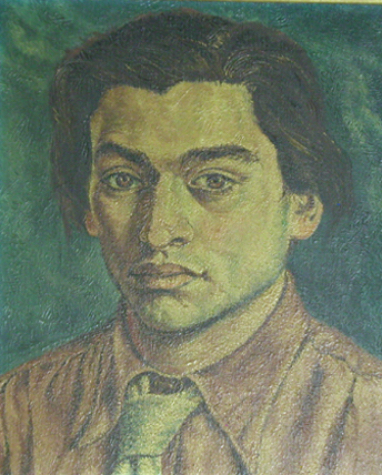
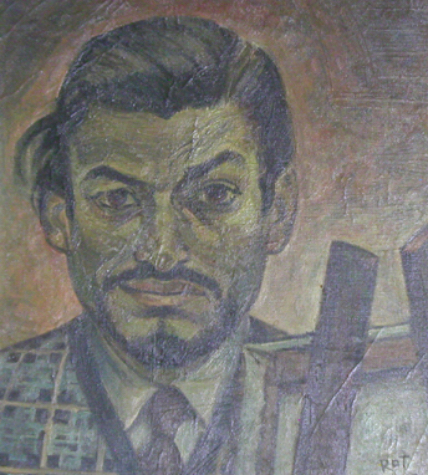
Self Portrait with Tie
One of several self portraits Richard created during his Paris years, showing his developing facility with oil paint and his study of the Old Masters' approach to portraiture.
Era III · 1946–1949
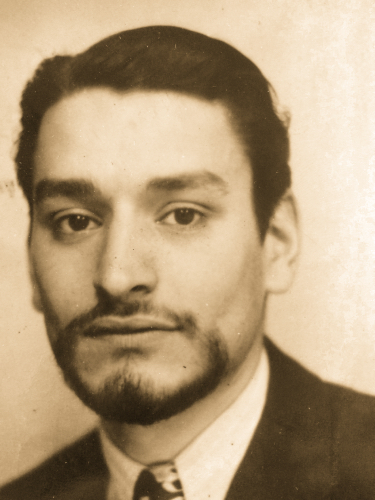
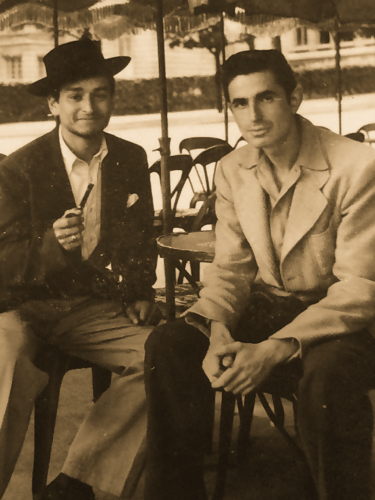
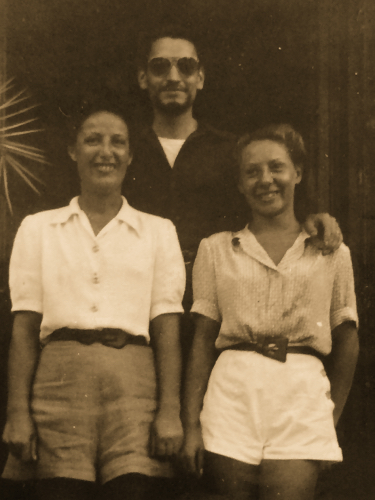
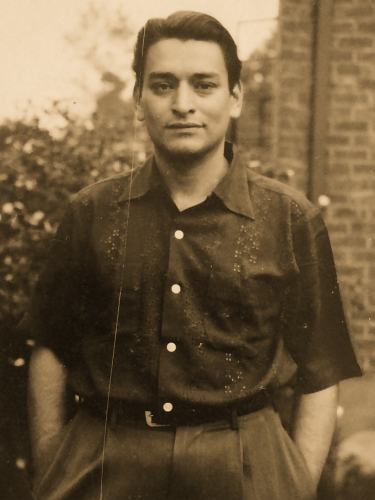
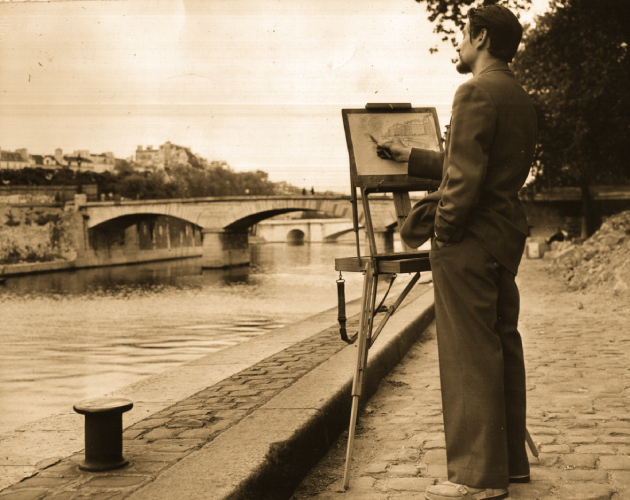
In post-war Paris, the romantic received an education any artist would likely envy. In the City of Lights, he felt at home. He thrived. Far from New York, he wrote to his mother telling her he may never return. He lived on the Rive Gauche — the left bank of the Seine famous for its bohemian inhabitants — and took his easel to the river to sketch or paint like a "real French artist."
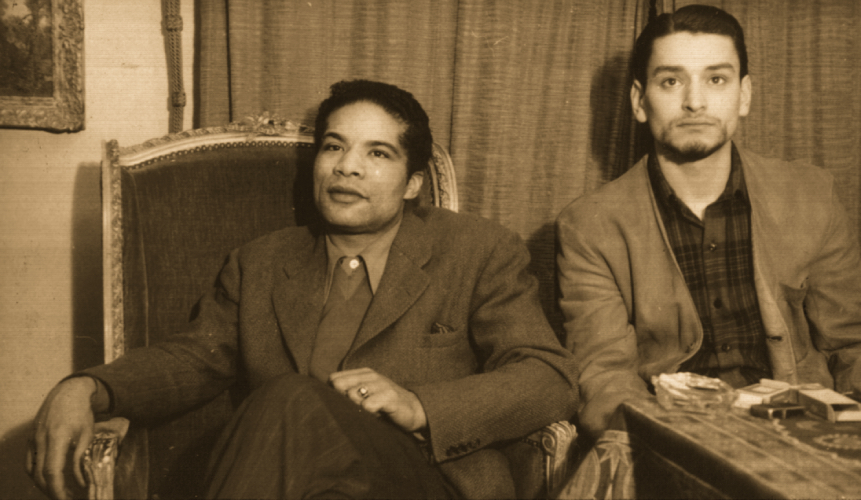
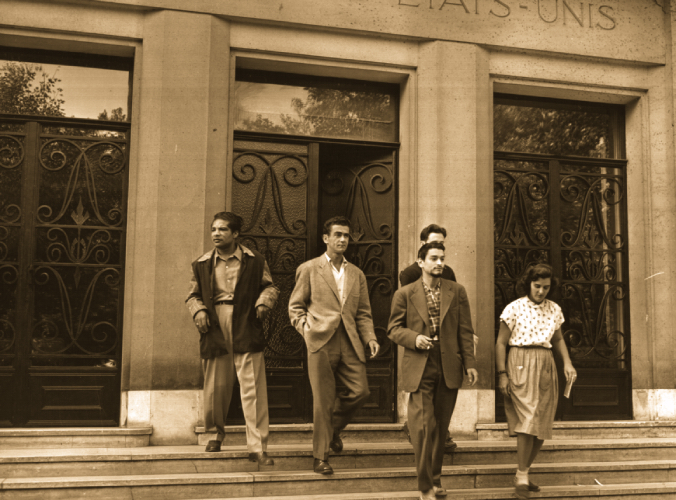
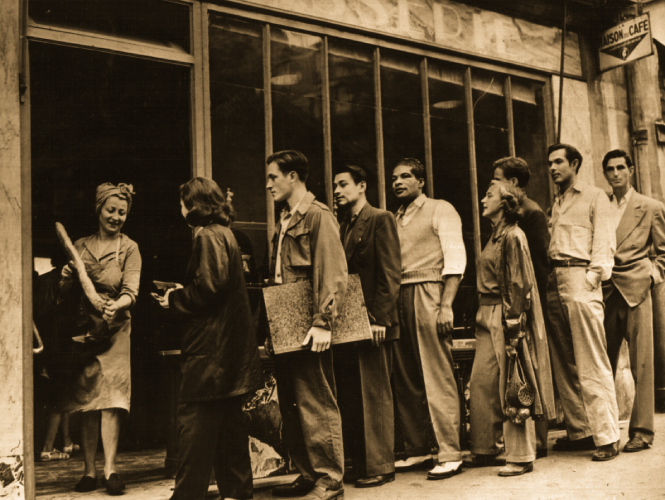
Paris is where Richard embraced the life of a painter. Immersed in French culture and a beatnik lifestyle, he studied fine arts at the Académie de la Grande Chaumière and the École nationale supérieure des Beaux-Arts. For the first time in his life he was surrounded by student and professional painters from around the world. One of his teachers was Yves Braques, an impressionist with whom Pablo Picasso had artistic rivalry.
This is the period in which Richard's pen and paper were replaced with oil and canvas, creating his own versions of the classics. He made his Rembrandts and Monets, and learned how to apply brushes in order to experiment with different strokes of paint for effect. Less concerned with realism, he introduced light and mood into his work. His portfolio matured along with the artist, representing a wider range of disciplined artistic expression.
Then his mom got sick. He was called home and moved back to New York.
Personal Photographs — Paris 1946–1949
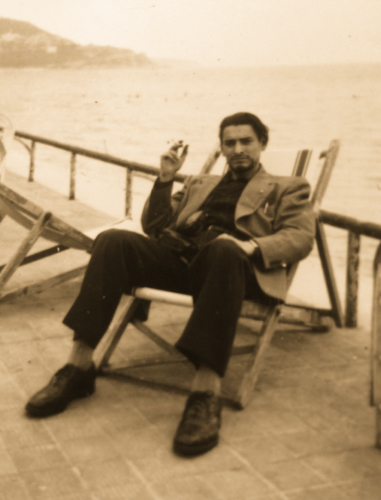
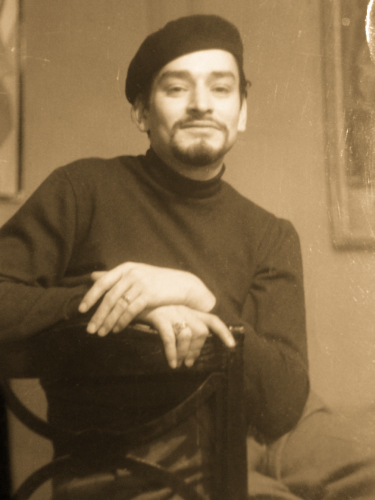

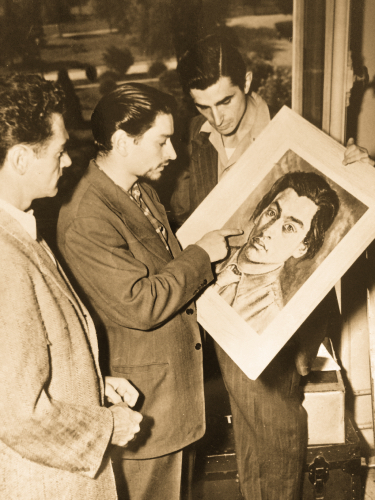

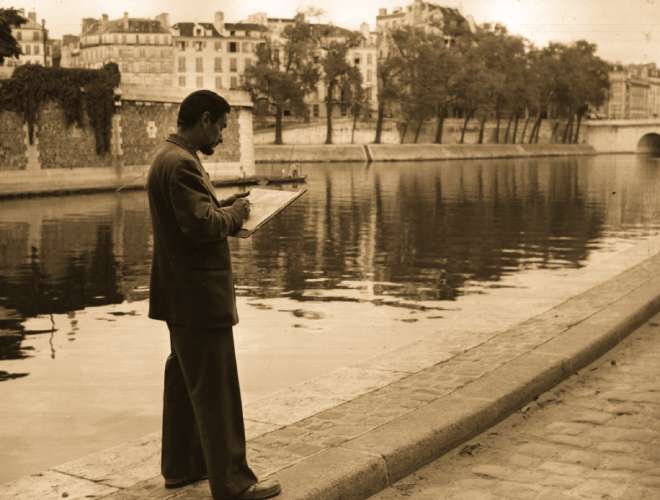
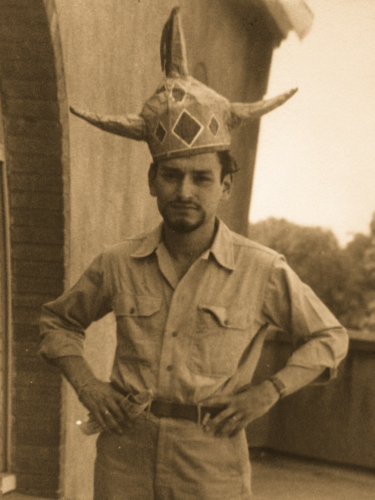
Portraits & Self-Portraits
One of several self portraits Richard created during his Paris years, showing his developing facility with oil paint and his study of the Old Masters' approach to portraiture.
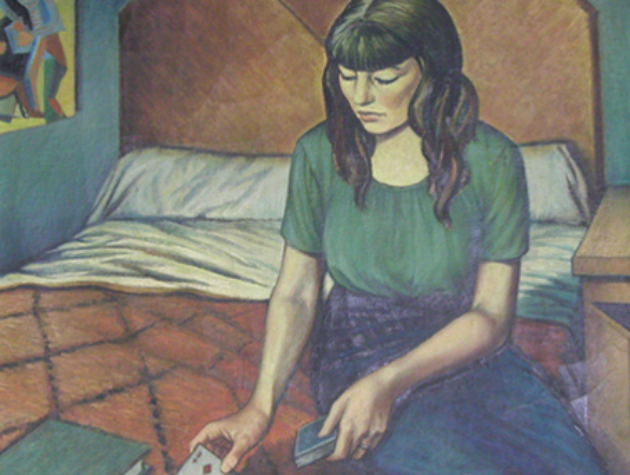
An intimate scene from Parisian bohemian life — a woman with cards on a bed, painted with the loose, atmospheric brushwork Richard absorbed from his teachers.
Richard depicts himself at the easel — the artist as artist — in a tradition stretching from Velázquez to Courbet.
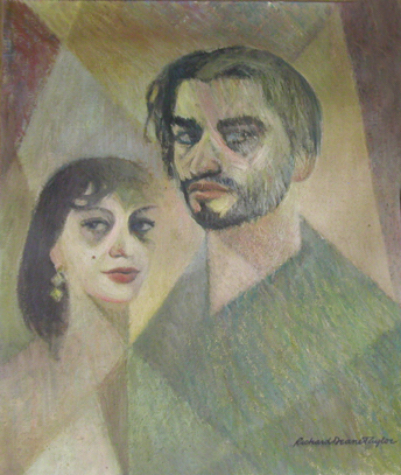
A double portrait in the Parisian bohemian spirit — Richard as a young romantic artist, the City of Lights as backdrop.

A deliberate study in the manner of Rembrandt van Rijn — deep chiaroscuro and warm, layered glazes — as Richard learned to "make his Rembrandts."
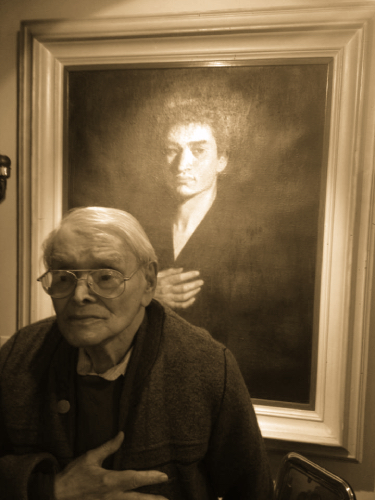
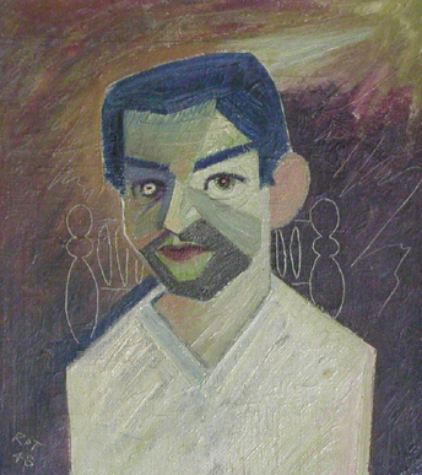
A relaxed self portrait in a chair — one of the most candid and intimate of Richard's Paris-period self-studies.
Landscapes & Still Lifes
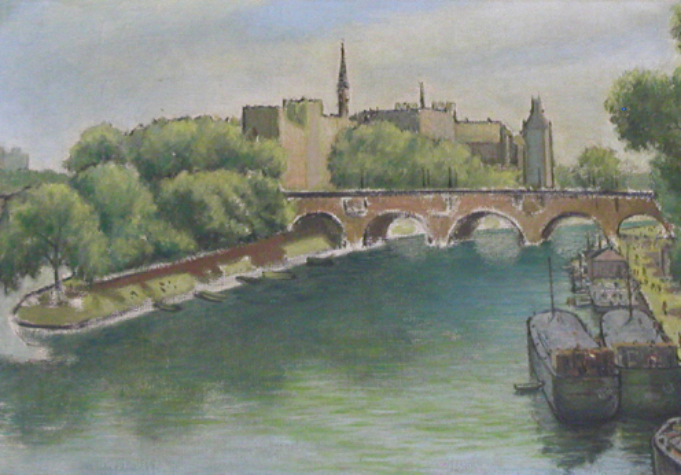
Painted from his spot on the Rive Gauche — the same riverbanks that drew Monet, Pissarro, and generations of painters before him.
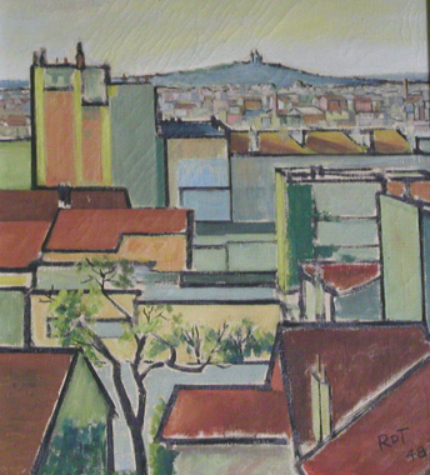
The iconic dome of the Sacré-Cœur crowns the Parisian skyline in this atmospheric cityscape.
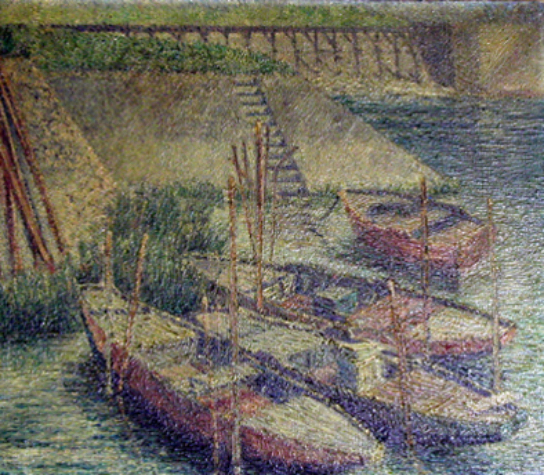
The working riverboats of the Seine, observed and captured from Richard's favourite sketching spots along the left bank.
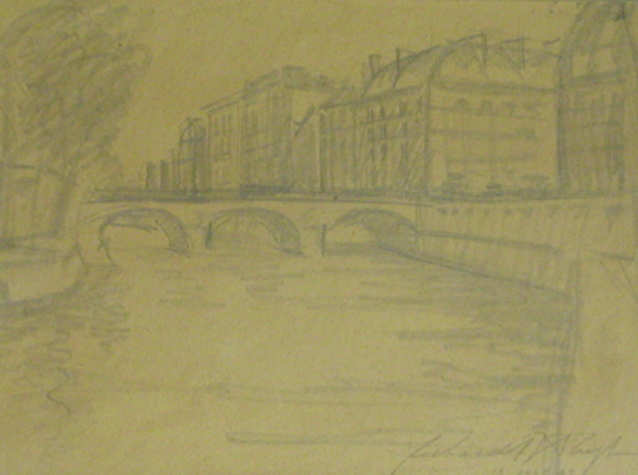
A quick plein-air sketch of the Seine made from the riverbank — the kind of spontaneous observational drawing Richard practised daily.
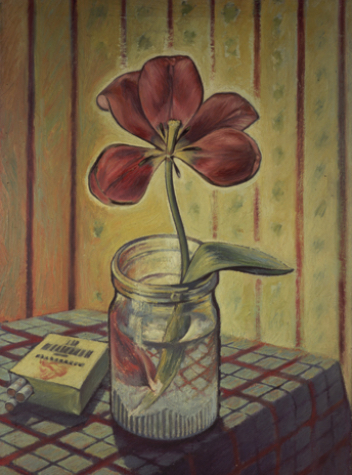
A quiet still life from Richard's Rive Gauche studio, exploring colour relationships and the fall of light.
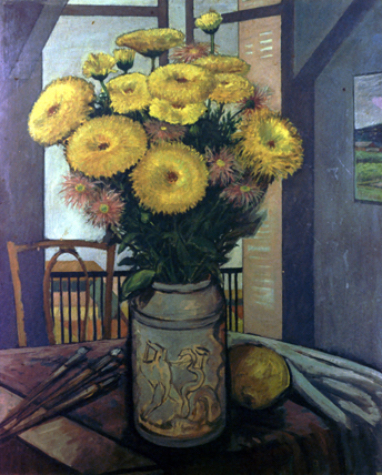
Vibrant yellow blooms catch the light in this still life — a study in warmth and colour theory informed by Richard's exposure to Impressionist painting.
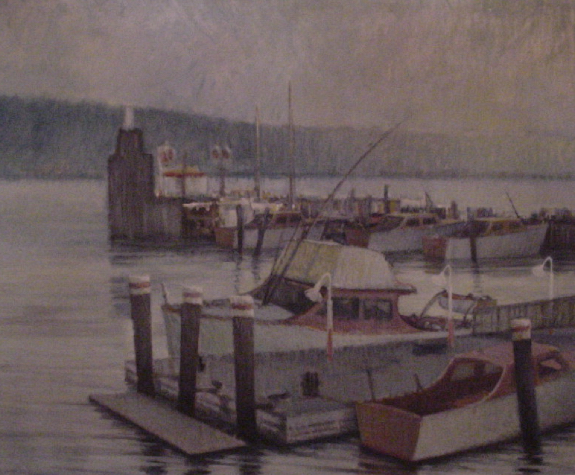
Painted shortly after Richard returned to New York, applying the Parisian plein-air approach to his home city's waterfront.
Nudes

A life drawing from one of Richard's Paris studio classes — academic figure work that formed a core part of the Beaux-Arts curriculum.
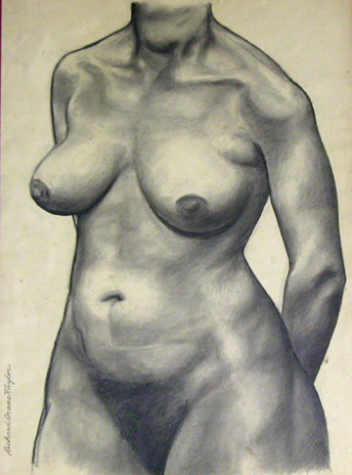
An academic life drawing from Richard's time at the Grande Chaumière, demonstrating his mastery of the figure in the classical European tradition.
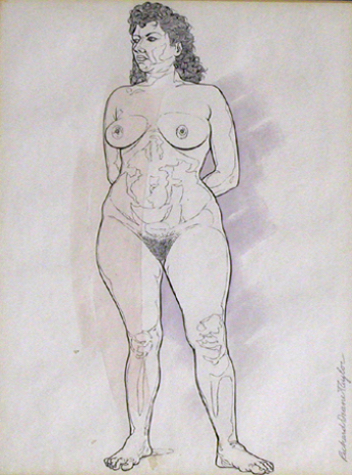
An academic nude study from the Paris period, demonstrating Richard's command of light, shadow, and anatomical form.
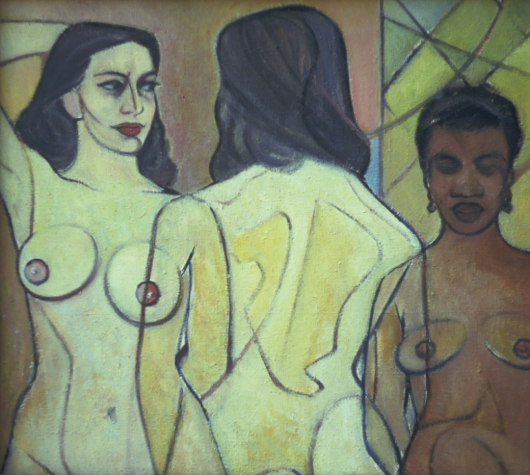
Three figures in a single composition — a demanding exercise in spatial relationships and comparative anatomy from the Paris academy years.